


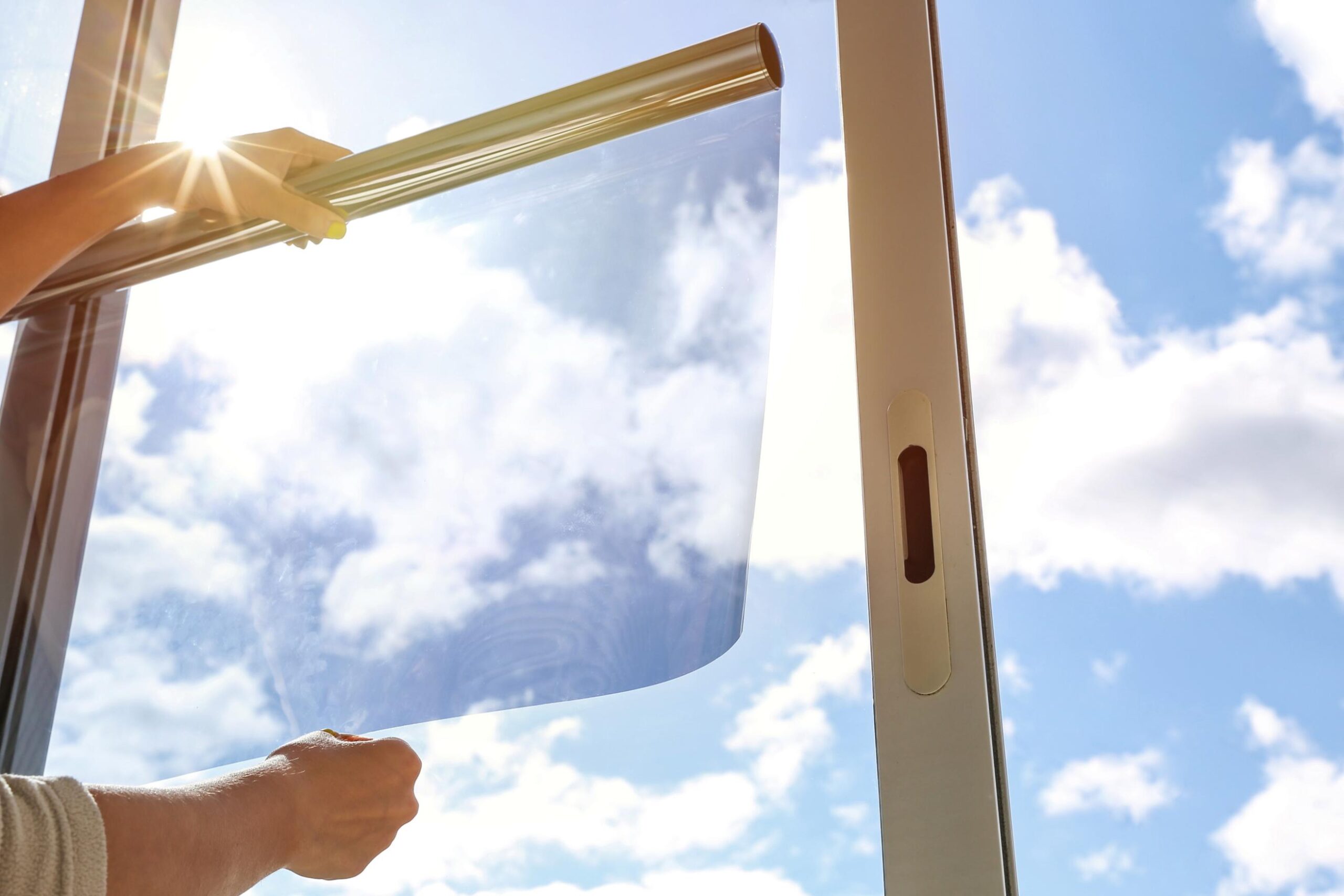
The Arizona sun is relentless, and nowhere is that more noticeable than in Tucson. From intense summer heat to year-round UV exposure, local homeowners and business owners deal with fading furniture, rising cooling costs, and uncomfortable indoor temperatures. Understanding how UV protection window film works can help you make informed decisions about protecting your property.
Quick Answer
UV protection window film is a thin, professionally applied layer that helps block up to 99% of harmful ultraviolet rays while allowing natural light into your home or business. In a hot desert climate like Tucson, window film can help reduce fading, improve comfort, lower solar heat gain, and create a more energy-efficient indoor environment without replacing existing windows.
What Local Readers Should Know
-
UV rays can damage flooring, furniture, artwork, and window treatments even when the glass appears to block sunlight.
-
Homes throughout Tucson, Oro Valley, Marana, and Sahuarita experience intense solar exposure due to Southern Arizona’s sunny climate.
-
Professionally installed window film can improve comfort without significantly changing the appearance of your windows.
-
Many commercial buildings near Downtown Tucson and along major business corridors use window film to help manage heat and glare.
-
Choosing the right film depends on your property’s orientation, existing windows, and your comfort and energy goals.
Why This Matters Locally
UV protection matters in Tucson because residents experience some of the highest levels of annual sunshine in the country. Long hours of direct sunlight can increase indoor temperatures, accelerate fading, and force HVAC systems to work harder. Properties in neighborhoods like Catalina Foothills, Rita Ranch, and Dove Mountain often have large windows designed to capture scenic desert views, but those same windows also allow significant solar radiation inside.
For homeowners and businesses across Pima County, protecting interiors from UV exposure is about preserving comfort and extending the life of valuable furnishings.
AGTP Window Films LLC helps local property owners find window film solutions that fit their goals. After this introduction, we’ll simply refer to ourselves as we because our focus is helping our neighbors understand their options.
Local Data and Field Observations
Professional field observations consistently show that properties with extensive west-facing or south-facing glass experience the greatest challenges with heat and UV exposure in Southern Arizona. During the hottest months, rooms with untreated windows often become noticeably warmer than shaded areas of the same building.
According to the National Weather Service, the Tucson area experiences abundant sunshine throughout the year, creating ideal conditions for UV exposure that can affect both residential and commercial properties. This combination of intense sunlight and high temperatures makes UV protection especially valuable for local buildings.
How UV Protection Window Film Works
UV protection window film works by filtering harmful ultraviolet radiation before it enters your home or business. Modern films use advanced materials that reject UV rays while still allowing visible light to pass through.
Depending on the specific product selected, window film may also:
-
Reduce solar heat entering through windows.
-
Minimize glare on televisions and computer screens.
-
Improve indoor comfort.
-
Help protect furnishings from premature fading.
-
Maintain natural daylight without permanently blocking views.
Not every film performs the same way, so selecting the appropriate product depends on your priorities.
Local Impact
For Tucson homeowners, UV exposure often means faded hardwood flooring, discolored carpeting, damaged artwork, and furniture that ages faster than expected. Large windows that showcase mountain views can also become major sources of unwanted heat.
Businesses face similar concerns. Retail stores, offices, restaurants, and medical facilities often experience uncomfortable hot spots near windows, increased cooling expenses, and glare that affects employees and customers.
Because cooling systems already work hard during Arizona summers, reducing solar heat gain can contribute to a more comfortable indoor environment.
Warning Signs You May Benefit from Window Film
Several indicators suggest UV protection window film may be a worthwhile investment.
-
Furniture appears lighter on one side than the other.
-
Hardwood floors have noticeable fading near windows.
-
Rooms become significantly hotter during the afternoon.
-
Computer screens experience excessive glare.
-
Window coverings remain closed most of the day.
-
Interior fabrics lose color faster than expected.
-
Your HVAC system struggles to keep sunny rooms comfortable.
These symptoms often become more noticeable during Tucson’s hottest months.
When to Call a Professional
Professional evaluation is recommended when heat, glare, or fading affects multiple rooms or your building has specialty glass.
Homeowners can monitor indoor temperatures, observe fading patterns, and identify which windows receive the strongest afternoon sun. However, selecting window film involves understanding glass compatibility, performance ratings, and installation techniques. Incorrect film selection or installation can affect appearance and performance.
A professional assessment helps identify which film best matches your property’s specific conditions.
Common Local Causes of UV and Heat Problems
Several factors contribute to excessive UV exposure in Southern Arizona.
1. Intense Desert Sunshine
Tucson receives abundant sunshine throughout the year, increasing UV exposure compared to many other regions.
2. Large Window Designs
Many newer homes feature expansive windows that maximize natural light and scenic views but also increase solar gain.
3. West-Facing Windows
Afternoon sunlight is especially intense and often creates the highest indoor temperatures.
4. Minimal Tree Coverage
Desert landscaping typically provides less shade than heavily wooded regions.
5. Existing Clear Glass
Many older windows offer limited UV protection compared to modern window film systems.
Prevention and Maintenance
Protecting your home starts before fading becomes obvious.
Helpful practices include:
-
Evaluate rooms that receive afternoon sunlight.
-
Inspect flooring and furniture for early fading.
-
Keep windows clean using manufacturer-approved methods after film installation.
-
Schedule professional consultation before replacing otherwise functional windows.
-
Review window performance before the hottest months arrive.
Properly installed window film generally requires minimal maintenance beyond normal window cleaning.
Expected Results
Most property owners notice improved comfort, reduced glare, and increased protection from UV exposure after professional installation. Actual energy savings, temperature reduction, and appearance vary depending on window orientation, glass type, building construction, and the selected film.
Window film enhances existing windows rather than replacing them, making it a practical option for many residential and commercial properties.
Common Mistakes
Mistake: Choosing film based only on the darkest appearance.
Consequence: Darker film does not always provide the best balance of comfort and visibility.
Better Approach: Select film according to your property’s heat, glare, and UV needs.
Mistake: Installing residential film on commercial glass.
Consequence: Performance may not match building requirements.
Better Approach: Use products designed for the specific application.
Mistake: Waiting until furnishings have already faded.
Consequence: UV damage cannot usually be reversed.
Better Approach: Install protection before significant fading occurs.
Common Local Scenario
A homeowner in the Catalina Foothills notices that one living room becomes much warmer each afternoon despite the air conditioning running normally. Over time, flooring near the windows begins to lighten, and family members keep the blinds closed during peak sunlight hours.
After evaluating the home’s window orientation and existing glass, professionally installed UV protection window film helps reduce glare, improve comfort, and provide greater protection for interior finishes while preserving the mountain views.
Related Service Solutions
UV protection window film is often combined with other window film solutions depending on property needs.
Possible solutions include:
-
Solar control window film
-
Heat reduction window film
-
Glare reduction film
-
Decorative window film
-
Privacy window film
-
Commercial window film
-
Residential window film
Comparing Your Options
| Option | Advantages | Considerations |
|---|---|---|
| DIY Window Film | Lower upfront cost | Installation quality and product performance vary significantly. |
| Professional Window Film | Proper product selection and expert installation | Higher initial investment with professional workmanship. |
| Window Replacement | Complete window upgrade | Typically much more expensive than adding film to existing windows. |
Service Areas
We proudly serve Tucson along with surrounding communities including Oro Valley, Marana, Sahuarita, Green Valley, and other nearby areas throughout Pima County. Local knowledge helps us recommend solutions that fit Southern Arizona’s unique climate.
Cost of Ignoring the Issue
Ignoring prolonged UV exposure can lead to continued fading, increased indoor discomfort, higher cooling demands, and shortened life expectancy for flooring, furnishings, and interior finishes. Addressing these issues early often provides greater long-term value than waiting until damage becomes visible.
Frequently Asked Questions
Does UV protection window film really work in Tucson?
Yes. Quality window film is designed to block up to 99% of harmful UV rays while helping reduce solar heat and glare, making it especially useful in Tucson’s sunny climate.
Will window film make my home too dark?
No. Many modern films are designed to maintain natural daylight while reducing UV exposure and solar heat. The amount of visible light depends on the specific product selected.
Is window film better than replacing windows?
For many Tucson property owners, professionally installed window film provides significant improvements without the cost and disruption of full window replacement. The best option depends on the condition of your existing windows.
Can window film reduce fading?
Yes. Window film significantly reduces harmful UV rays, which are one of the primary causes of fading. Other factors, including visible light and heat, can also contribute over time.
Does window film help lower cooling costs in Southern Arizona?
Window film may help reduce solar heat entering through windows, allowing air conditioning systems to operate more efficiently. Results vary depending on the building and the selected film.
Can businesses in Tucson benefit from window film?
Yes. Offices, retail stores, restaurants, and other commercial buildings often install window film to improve comfort, reduce glare, and help protect interiors from sun damage.
How long does professionally installed window film last?
Longevity depends on the specific product, window conditions, and environmental exposure. A professional installer can explain expected performance for your particular application.
Can window film be installed on existing windows?
Yes. In many cases, professionally installed window film can be applied to existing residential and commercial windows without replacing the glass.
Closing
Living in Southern Arizona means enjoying beautiful sunshine, but it also means protecting your property from its long-term effects. Understanding how UV protection window film works allows homeowners and business owners to make informed decisions that improve comfort and help preserve their investment.
Protect Your Home and Business from Arizona’s Intense Sun
Our team is here to help you choose the right window film solution for your property and goals.